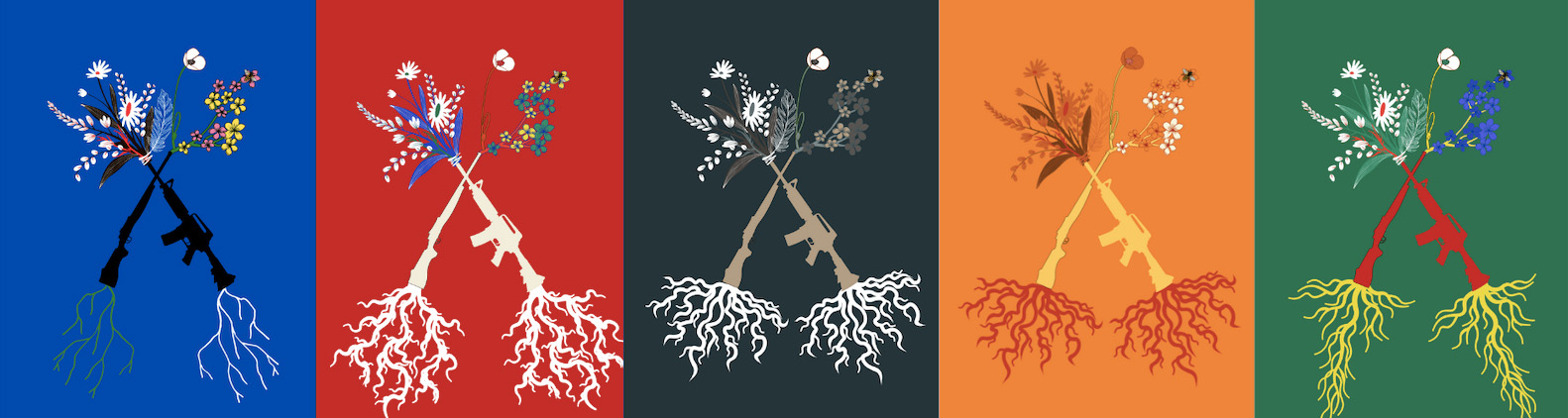
‘There is no peace without justice’. This oft-repeated mantra papers over the complex reality of peacebuilding: while post-conflict justice is essential to sustainable peace, the search for justice can sometimes prove a barrier to reconciliation and post-conflict recovery. ‘Justice’ is also as challenging to define as ‘peace’. Justice for whom? Retributive justice, or restorative justice? Will one person’s justice look like revenge or compromise to another? When pursuing justice, are we primarily interested in community peace or in the inner peace of people most impacted by violence and abuses?
Visualising Peace student Zoe Gudino has been researching these challenging questions. As well as examining the tensions that can arise between the pursuit of peace and the pursuit of justice, she has been exploring different models of justice within different models of peacebuilding. She explores ‘the amnesty dilemma’ in this museum entry, and she reflects on ‘truth and reconciliation’ processes and the amplification of indigenous and marginalised voices in justice-and-peace processes in this presentation. You can read her fuller findings in the report set out below:
Introduction – Zoe Gudino
After conflict or grave human rights violations, societies can only achieve sustainable peace by embarking on a comprehensive transformation journey. This path entails addressing the underlying causes and catalysts of human rights abuses, as well as seeking justice for past violations (OHCHR, 2020). Obtaining justice is an important goal for many post-conflict societies. However, the approaches taken by these communities, as well as how they understand and address justice, can vary greatly, resulting in a broad spectrum of outcomes. This diversity reveals a widespread disagreement, or rather confusion, about the relationships between justice, reconciliation, conflict resolution, and peace (Lambourne, 2004).
In this context, exploring the pursuit of justice in post-conflict settings raises crucial questions: what does justice mean? How do different societies interpret and approach justice in their unique cultural and social contexts? Furthermore, what is the relationship between justice and peace? How can societies create and implement justice mechanisms that not only encourage accountability but also promote reconciliation and sustainable peace?
Transitional Justice
Transitional justice (TJ) initiatives are frequently implemented by societies emerging from violent conflict or authoritarian rule. TJ is made up of a variety of judicial and non-judicial processes. While there is no universal approach to dealing with a society’s past, common transitional justice mechanisms include prosecutions in domestic and international courts, truth and reconciliation commissions, reparations for victims, and institution reform, particularly in the justice and security sectors (Davis, 2014).
Transitional justice is often viewed as a method for addressing past grievances, but its greater aim is to encourage social and political transformation and the establishment of legitimate institutions (Davis, 2014). In theory, TJ provides both a theoretical framework and practical mechanisms to help peacebuilding efforts. It aims to meet victims’ needs, build trust in institutions and between individuals and groups, strengthen the rule of law and access to justice, address and reduce inequality, marginalisation, and corruption, all of which are critical components for achieving sustainable peace (OHCHR, 2020). However, it is important to evaluate whether TJ effectively meets these objectives in practice.
Research aims
The purpose of this project is to look into the relationship between peace and justice in post-conflict settings, specifically how different peace processes approach justice and the consequences of these approaches. The current investigation will examine transitional justice processes in three countries: Rwanda, South Africa, and Colombia, critically assessing their strengths, weaknesses, and overall impact on reconciliation and societal transformation. The ultimate goal of this investigation is to contribute to the larger discourse on justice and peacebuilding by providing insights that can guide future efforts to build truly just and equitable societies.
Historical context
Roots of conflict in Rwanda, South Africa, and Colombia
Rwanda
In 1994, Rwanda experienced one of the most brutal periods of violence in its history. In just 100 days, 800,000 people were killed, with many more displaced or forced to flee the country (BBC, 2019). The genocide in Rwanda was fueled by long-standing tensions and ethnic divisions between the Hutu majority and the Tutsi minority, with Tutsis making up the vast majority of victims and Hutus making up the majority of perpetrators (Doherty, 2024).
The assassination of President Habyarimana acted as a the trigger to genocide. While it is unknown whether those responsible for the assasination were Hutu extremists or the Tutsi Rwandan Patriotic Front (RPF), this incident provided Hutu extremists with an opportunity to incite chaos and bloodshed. The ‘Hutu power’ ideology vilified Tutsis, resulting in killings of both Tutsis and moderate Hutus across the country (Doherty, 2024). After about three months of conflict, the RPF took control of Kigali, forcing extremist Hutu leaders to flee. This marked the end of the genocide, which was followed by the establishment of a transitional government of national unity, and the implementation of measures to address the aftermath of the conflict (The Editors of Encyclopedia Britannica, 2016).
South Africa
Apartheid, a system of institutionalized racial segregation and discrimination, dominated South Africa from 1948 until 1994. The National Party’s rise to power in 1948 marked the formal implementation of apartheid policies aimed at preserving white supremacy and control over the black majority population. Apartheid dominated all aspects of life, including education, employment, socialisation, and housing. For example, laws such as the Natives Resettlement Act of 1954 relocated black Africans to rural ‘homelands,’ perpetuating poverty and segregation. Furthermore, social interactions between racial groups were strictly regulated by laws such as the Prohibition of Mixed Marriages Act of 1949, which criminalised interracial relationships (Anti-Apartheid Legacy, n.d.).
Apartheid subjected all black South Africans to severe human rights violations, such as mistreatment, torture, and abduction (Van Der Merwe and Lamb, 2009). Despite state repression, activists opposed apartheid both locally and globally. Nelson Mandela’s release from prison in 1990 was a pivotal moment, leading to the end of apartheid in 1994.Subsequently, a number of measures were implemented to help the country transition to democracy and address historical injustices (Anti-Apartheid Legacy, n.d.).
Colombia
Colombia’s internal conflict has lasted decades, involving insurgent groups, narco-paramilitary groups, government forces and guerrillas. Notably, the Fuerzas Armadas Revolucionarias de Colombia – Ejercito del Pueblo (FARC-EP) has played a central role in the violence (Llauger, 2022). The FARC-EP is a Marxist-Leninist guerrilla movement founded in 1964 by farmers and peasants. Over the years, it has used a variety of tactics, including kidnappings, bombings, and military raids, to achieve its goal of establishing a revolutionary government aimed at redistributing wealth (Piccone, 2019).
Over the past decades, this conflict has claimed the lives of over 8.3 million people, which also includes 7.3 million displaced people, nearly 1 million homicides, over 16,000 disappearances, with numerous other victims of kidnapping, sexual abuse, torture, and forced recruitment as child soldiers (Llauger, 2022). Colombia embarked on an ambitious journey towards peace, reconciliation, and justice for victims of the internal armed conflict in 2016, led by President Juan Manuel Santos. This was accomplished through the implementation of a comprehensive peace agreement between the government and the FARC-EP (ICTJ, n.d.).
Rwanda
Gacaca Courts
Rwanda’s already overwhelmed justice system was further weakened by the genocide, which resulted in the loss of judicial personnel and significant damage to the countries infrastructure. In December 1996, the government started prosecuting genocide suspects in normal courts. However, by early 1998, only 1,292 people had been tried, with few admitting to their crimes (Human Right Watch, 2011). These limitations of the conventional justice system led to the suggestion of employing gacaca courts. Gacaca, based on a traditional method of conflict resolution, is a local, participatory legal mechanism (Rettig, 2008). Three main arguments were raised in support of using gacaca for genocide trials. First, gacaca would speed up the delivery of justice for the genocide and relieve prison overcrowding. Second, like traditional courts, gacaca would break the cycle of impunity by holding people accountable for their crimes. Third, the participatory nature of the process was thought to encourage unity among local communities, ensuring that locals played an active role in the proceedings and witnessed justice being served (Human Rights Watch, 2011).
For the genocide the gacaca courts evolved into a more structured system that included codified law and elected community members as judges. Unlike traditional courts, gacaca courts operated without prosecutors, with cases initiated by victims or their relatives. Each case was heard by a panel of judges, who sentenced based on majority rule. Offenders were divided into three categories based on their degree of involvement in the genocide, and punishments varied accordingly. To encourage truth telling, confessions resulted in reduced sentences, particularly for those who confessed before being charged. Community service was also introduced as an alternative to imprisonment, offering benefits such as reducing prison overcrowding, facilitating reintegration, and allowing convicts to contribute to Rwandas development(Human Rights Watch, 2011). While the gacaca courts placed a high priority on punitive measures, they also sought to offer reparation, uncover the truth and facilitate reconciliation between the Hutu and Tutsi (Rettig, 2008).
Case Study
A ten-month study conducted in Sovu, a community in Rwanda’s southern province, sought to determine the extent thatgacaca had contributed to truth, justice, and reconciliation. The researcher administered two public opinion surveys, one in November 2006 and the other in May 2007. When asked if gacaca is going well 73% answered favorably in the first survey and 88% in the second survey. Moreover, sentiments regarding the potential for gacaca to bring peace were positive, with 78% of respondents in the first survey and 90% in the second expressing confidence in gacaca’s ability to contribute to peacebuilding efforts. Despite these positive findings, when asked to identify specific issues that underminegacacas’ success, respondents provided a long list of criticisms. More than 90% of survivors said that people lie, and the process has become adversarial rather than cooperative. Furthermore, an overwhelming 99% of respondents expressed a desire for gacaca to conclude quickly so that the community could move forward (Rettig, 2008).
It is critical to recognise the limitations of relying on surveys and interviews. There is a significant possibility that respondents did not give completely honest answers, possibly because they wanted to please the researcher or were afraid of repercussions for speaking out against the established system. This fear could stem from concerns about government surveillance or societal pressure to conform to specific narratives.
Successes and Limitations
The gacaca process has undoubtedly benefited genocide survivors and the broader community. According to Human Rights Watch, many survivors claim that the gacaca process helped them find closure by providing critical information about their loved ones’ fates. Furthermore, gacaca’s expedited proceedings reduced the burden on the prison system while speeding up the legal process, something that would not have been possible in traditional courts. Gacaca’s success in promoting genocide awareness and facilitating mourning demonstrates the critical role that transitional justice plays in helping communities learn about and process traumatic events from the past (Human Rights Watch, 2011).
Importantly, the decision to transfer genocide-related rape cases to gacaca courts posed significant limitations. Despite closed-door proceedings, the involvement of entire communities jeopardised victims’ privacy and trust. This invasion of privacy damaged survivors’ trust and discouraged many from seeking justice. This decision raises the question of who the gacaca courts actually served. By transferring rape cases to gacaca courts, the system prioritised expediency over the sensitive nature of gender-based violence, disregarding the importance of providing survivors with a safe and supportive environment in which to seek justice. This failure to address gender-specific concerns within the legal framework highlights fundamental issues regarding some transitional justice processes’ ability to provide equitable access to justice for all members of society (Human Rights Watch, 2011).
Furthermore, Gacaca’s legacy has been impacted by its role in exacerbating ethnic tensions and divisions. The courts’ failure to adequately represent Hutu perspectives enhanced existing ethnic divides rather than promoting unity, as intended. With a strong emphasis on prosecuting Hutu perpetrators, the Hutu community’s voices and grievances have been ignored, leaving many people feeling marginalised and excluded from the legal process. The perception that justice favours one ethnic group over another has hampered genuine healing and reconciliation efforts in Rwanda. As a result, ethnic tensions and resentment persist, disrupting the countries journey towards lasting peace (Choong, 2023). While Gacaca courts were, in theory, the best mechanism for justice at the time, having been established to address an urgent need, they failed to meet expectations and achieve successful reconciliation in practice.
Is there a place for reconciliation and forgiveness in the face of deep-seated historical grievances?
South Africa
Truth and Reconciliation Commission
The Truth and Reconciliation Commission (TRC), instituted by Nelson Mandela, was established in 1995 to address abuses committed during the apartheid (Tuazon, 2019). The establishment of the TRC was motivated by the recognition that pursuing prosecutions alone would not be sufficient to address historical injustices. Instead, there was a belief that a more comprehensive and innovative approach was required to protect victims’ rights while also meeting South Africas collective needs (Van Zyl, 1999).
The TRC’s aimed to uncover the truth behind human rights violations, determine the fate of victims, restore survivors’ dignity, recommend measures for reparation and rehabilitation, and grant amnesty to those who fully disclosed their crimes. To achieve these goals, the TRC used a variety of mechanisms, including holding hearings where victims testified, investigating the roles of various institutions in perpetuating or resisting human rights violations, and uncovering patterns of abuse such as torture and disappearances. The commission established three committees: one for human rights violations, one for amnesty, and one for reparations and rehabilitation (Van Zyl, 1999). The TRC’s focus was restorative rather than punitive, with the primary goal of using the truth to rebuild and unify the nation (Tuazon, 2019).
Amnesties, legal pardons granted to individuals or groups for crimes committed, were a critical component of South Africa’s transition from apartheid to democracy, resulting from negotiations between the National Party and the African National Congress. The initial goal of these talks was to put an end to political violence, release prisoners, and establish interim governance. However, the National Party insisted that amnesty be guaranteed in order for these things to happen (Van Der Merwe and Lamb, 2009). The decision to grant amnesty must be understood in this context; the former government would have opposed the transition to a democratic order if its members faced prosecution and imprisonment(Van Zyl, 1999). The TRC granted amnesty to 849 out of 7,112 applicants who fully disclosed their crimes (Tuazon, 2019). Moreover, it addressed 33,713 human rights violations, drawing from 21,296 statements (Van Der Merwe and Lamb, 2009).
Case Study
Jay and Erika Vora conducted a study to assess the effectiveness of the TRC, examining the viewpoints of three ethnic groups: the Xhosa, Afrikaners, and English South Africans. The Afrikaners and English South Africans represent the white demographic, while the Xhosa are one of the predominant black ethnic groups in South Africa. The Xhosa participants, those most affected by the apartheid, had more positive perceptions, recognising the TRC as a critical catalyst for healing and promoting societal change. In contrast, Afrikaners and English participants were more sceptical of the TRC’s ability to effect change in the country. Some expressed concern about the TRC’s emphasis on past grievances, fearing it would reopen old wounds and impede national progress. Significantly, all three groups agreed that the TRC fell short of fostering reconciliation, but it did effectively expose the truth (Vora and Vora, 2004).
The TRC as a tool for justice undoubtedly facilitated truth-telling and education; however, simply revealing the truth does not guarantee reconciliation.
“It would be a great mistake to equate political stability with genuine reconciliation” (Vora and Vora, 2004, p. 317).
Successes and Limitations
Responses to the TRC are far from consistent; most victims are ambivalent, conflicted, and their perspectives change over time (Backer, 2005). Regardless, the TRC has undoubtedly achieved notable successes while also having shortcomings.The TRC offered numerous benefits, particularly to those who were most affected by the apartheid. Among its notable achievements is the facilitation of healing through storytelling. Not only did the process reveal human rights violations committed by all sides of the conflict, but it also served as a therapeutic tool, allowing people to share their stories,confront feelings of remorse, and consider forgiveness (Tuazon, 2019).
One limitation is that progress in South Africa has been exceedingly slow. The disparity between policy and actual implementation persists, particularly in terms of land restitution. The reality is simple: while white communities continue to have a disproportionate share of resources, many black citizens live in overcrowded neighbourhoods with limited access to basic infrastructure and services (Tuazon, 2019). Similarly, many victims question the TRC’s effectiveness in promoting reconciliation and providing sufficient reparations. Some activist groups argue that genuine reconciliation requires comprehensive reparations for black citizens, including healthcare, housing, and education, rather than truth seeking. However, the search for reconciliation is plagued with complexities and contradictions, since there is no universally accepted blueprint that meets the diverse needs of all citizens and victims (Van Zyl, 1999).
Another limitation of the TRC is that few victims believe it has delivered true justice. This sentiment is heightened by the inclusion of amnesty as a key component of the TRC process. Many victims see amnesty as a barrier to true accountability, driving the belief that perpetrators were able to avoid consequences for their actions (Backer, 2005). Accountability came about through public recognition of wrongdoing and disclosure of the truth. Thus, while the TRC successfully promoted national unity and healing through a restorative lens, it failed to provide adequate punitive restitution to individual victims (Tuazon, 2019).
Is restorative justice alone sufficient for addressing the grievances of victims, or is there a need for retribution, to achieve comprehensive justice and healing?
Colombia
2016 peace agreement
The Colombian peace agreement set up a holistic approach to transitional justice aimed at resolving the country’s long-running conflict. One of its primary goals was to develop a system that could effectively deal with truth, justice, reparations, and the prevention of further violence. At the heart of this agreement was the establishment of the Sistema Integral de Verdad, Justicia, Reparación y No Repetición (SIVJRNR), a system made up of three primary institutions(Llauger, 2022):
1. Truth Commission: The Truth Commission was tasked with clarifying and explaining the complexities of the 50-year conflict, supporting victims, promoting coexistence in affected areas, and laying the groundwork for non-repetition(Piccone, 2019).
2. Search Unit for Disappeared Persons: This unit was responsible for the search of people who had gone missing. Its mission was to provide closure to families and communities affected by disappearance (Piccone, 2019).
3. Special Jurisdiction for Peace (JEP): The JEP served as the justice component of the SIVJRNR, with a primary objective of administering transitional justice (Piccone, 2019).
The JEP
JEP aimed to achieve positive peace by addressing impunity and putting victims at the centre of the justice process. For example, they held recognition conferences where victims and perpetrators could meet face to face. Victims were given the opportunity to present their cases and express their grievances, and perpetrators were encouraged to accept responsibility and explain their actions (Llauger, 2022).
The JEP took a nuanced approach to justice, drawing from both restorative and retributive concepts. Amnesties were granted for certain offences in order to encourage truth-telling and conflict resolution, but not all crimes were eligible; for example, war crimes and crimes against humanity were not amnestied. For offences not eligible for amnesty, the JEP conducted extensive investigations and hearings, gathering information not only from the attorney general and relevant state bodies, but also from victims themselves, as well as indigenous and human rights organisations. Defendants who admitted responsibility rapidly got reduced penalties, such as restricted liberty and participation in restorative initiatives. Individuals who delayed admitting their guilt faced incarceration, whereas those who denied guilt faced harsher punishment (Llauger, 2022).
The Colombian peace agreement wanted to promote reconciliation and violence prevention by carrying out both restorative and retributive justice. This approach allowed for truth-telling, historical remembrance, and victim reparations, as well as perpetrator accountability. In fact, 9687 former members of the FARC-EP gave up themselves to the JEP’s jurisdiction, with a participation rate of 99% (Piccone, 2019).
Successes and Limitations
One of the most impressive things that the Colombian peace process accomplished was how effectively they disarmed and demobilized the FARC-EP. Given the complexities of Colombia’s conflcit, it’s remarkable that the initial stage of implementing the peace process went so smoothly (Piccone, 2019). According to a U.N officials the ceasefire operation was:
“Almost spotless and one of the best examples in the world” (Piccone, 2019, p.4).
While achieving a ceasefire is an important step forward, it does not equal peace. In Colombia, restorative measures based on truth and responsibility recognition increased participation and facilitated dialogue among parties, fostering social reconnection and reconciliation efforts. Meanwhile, the imposition of retributive sanctions by the JEP represented a commitment to combating impunity and ensuring accountability (Llauger, 2022). The combination of these two approaches to justice demonstrates a in-depth understanding of the complexities of post-conflict reconciliation. By emphasising the importance of truth-telling and responsibility recognition, as well as holding perpetrators accountable for their actions, the Colombian peace process has successfully laid the groundwork for peace and reconciliation in the country.
It is important to note, however, that the conflict in Colombia is not exactly over, due to the variety of armed groups and guerrillas still in remote areas beyond the state’s reach. Since the signing of the peace agreement, the United Nations has documented 454 murders of human rights defenders and social leaders (Piccone, 2019). These persisting attacks highlight the difficult task of establishing peace in an environment accustomed to violence, regardless of the theoretically comprehensive strategy for resolving conflict and achieving justice. Thus, Colombia’s non-repetition goal remains unfulfilled; the peace process’s ambitious scope and intricate details have made it slow and complicated to execute, making it difficult to prevent a return to conflict.
A significant criticism is that indigenous groups, Afro-Colombians, LGBTQ and women are underrepresented in the peace agreement’s implementation. Particularly concerning is the lack of a comprehensive perspective on the gendered effects of conflict. The transitional justice field frequently focuses solely on gender in relation to sexual abuse, and ignores other dimensions of gender-violence. This omission leads to policy and implementation gaps, leaving many Colombian victims marginalised. Given that at least half of the victims of the Colombian conflict are women, this oversight is concerning (Diaz Pabon, 2018).
Ultimately, the Colombian transitional justice process puts victims at the center of its proceedings, with provisions for victim-centered justice, truth and reconciliation initiatives, but also includes retribution. However, the justice process is not without flaws. As a relatively new peace agreement, the challenge is to bridge the gap between theory and practice, which will ultimately determine Colombia’s success or failure to establish sustainable peace.
What strategies could be employed to bridge the gap between theory and practice in achieving sustainable peace?
Comparative analysis
When investigating Rwanda, South Africa, and Colombia’s transitional justice processes, it is important to first understand the differences between the conflicts in each country. In Rwanda, the conflict arose from long-standing ethnic tensions. Apartheid in South Africa was a system of oppression based on race. Meanwhile, Colombia was involved in a conflict between the government and various armed factions, characterized by political insurgency. Given the unique nature of each conflict, it makes sense that justice was conceptualised and pursued in different ways. Assuming a universally applicable approach to transitional justice would ignore the complexities of each conflict, decreasing the effectiveness of these initiatives. Thus, to design and implement a justice strategy that is appropriate for each post-conflict society, it’s important to understand the communities unique historical, cultural, and social contexts.
So, how did each post-conflict society approach and conceptualize justice? Evidently, all three countries attempted to go beyond traditional notions of justice, establishing unique systems tailored to their specific needs. Rwanda’s use of the Gacaca courts was far more retributive than South Africa’s or Colombia’s approach. For Rwanda, justice entailed prosecuting a large number of offenders while emphasising accountability and unity through punitive measures (Human Rights Watch, 2011). South Africa prioritised restorative justice, using amnesties to encourage truth-telling and reconciliation. Although some may argue that this approach undermined real justice, the focus on truth-telling was intended to promote accountability and societal healing (Tuazon, 2019). In contrast, Colombia approached transitional justice as a balance of retribution and restoration. The justice system prioritised victims’ needs and experiences, while prosecuting perpetrators of serious crimes (Piccone, 2019).
Overall, these three cases had both successes and failures, demonstrating how difficult it is to achieve sustainable peace.What becomes clear is that in order to address conflict, there is a need for a balanced approach to justice that includes both retributive and restorative innitiatives. Yet, even with a mixed approach, turning theoretical frameworks into practical implementations remains a complicated task. The challenge is not only conceptualising justice, but also effectively implementing justice measures that address the diverse needs of post-conflict societies and encourage non-repetition. This struggle exemplifies the complex relationships between peacebuilding and justice.
The effectiveness of legal measures in transitional justice contexts is determined not only by the mechanisms themselves, but also by the social fabric in which they are implemented. When community trust is low, local justice systems may contribute to existing tensions and hamper reconciliation efforts (Rettig, 2008). Thus, the question arises: How can we encourage community trust and social cohesion in order to create an atmosphere conducive to the effective implementation of justice measures? This question emphasises the importance of exploring holistic approaches that prioritise community engagement and empowerment.
Beyond Transitional Justice
The incorporation of arts and culture into peacebuilding efforts may provide a nuanced approach that builds on legal frameworks and improves the effectiveness of justice initiatives. Conflicts are difficult to resolve because, in addition to being intertwined with social and economic problems, they include issues of identity and culture. Hence, the arts, which have the potential to increase community resilience, encourage dialogue, and promote mutual understanding and interaction, can be a helpful tool (Baily, 2019).
In Rwanda the incorporation of storytelling into peace education has transformative potential. Initiatives like Mobile Arts for Peace (MAP) use Rwandan cultural forms such as storytelling practices to explore trauma, memory, and everyday conflict through the eyes of young people. MAP activities not only encourage dialogue and teamwork, but they also teach youth how to identify the root causes of conflict and propose solutions. Arts-based approaches, such as MAP, help repurpose spaces for transitional justice and peace education, allowing justice to be pursued more effectively within communities (Breed and Uwihoreye, 2023).
Another example is local initiatives in Colombia that want to empower indigenous women through intercultural and intersectional approaches. These efforts seek to address the conflict’s disproportionate impact on indigenous women by acknowledging their feelings of pain, resistance, and agency. Creative methodologies like participatory action research and body mapping are used to promote reconciliation, challenge stigmas, and revitalise indigenous justice. The overall goal of these efforts is to ensure that the voices and experiences of indigenous women are recognised, respected, and integrated into post-conflict resolution processes (Santamaría et al., 2020).
These examples are only two of the many grassroots initiatives that have emerged in post-conflict settings to harness the power of the arts. Integrating arts and culture into peacebuilding efforts is a comprehensive and people-centered strategy. These initiatives address the cultural complexities of conflict and its aftermath, empowering individuals and communities to heal, reconcile, and envision a future of peace and solidarity.
Tool-Kit
Based on the various cases studied, as well as their successes, failures, and alternative methodologies, several recommendations can be made to improve the effectiveness of transitional justice systems in post-conflict settings. While these suggestions are not without unpredictability, they do represent potential ways to improve transitional justice processes.
- Interdisciplinary Approach: Integrate cultural studies and the arts into transitional justice. By combining insights from various disciplines, practitioners can gain a better understanding of the complex dynamics of conflict, trauma, and reconciliation, resulting in more holistic and effective interventions.
- Include a psychological focus in judicial processes to support the emotional and mental well-being of both victims and perpetrators. Provide support services, trauma-informed care, and counselling to help individuals and communities affected by conflict heal.
- Cultural Reconciliation: Recognise the impact of culture on peacebuilding efforts. Encourage cultural exchange, dialogue, and traditional practices that promote mutual understanding, respect, and reconciliation among diverse ethnic, religious, and
cultural groups.
- Prioritise reparations as an essential part of transitional justice processes. Ensure that reparations programmes are victim-centered, gender-sensitive, and responsive to the diverse needs of affected individuals and communities. Make reparations for both material and intangible damages, such as psychological trauma, loss of dignity, and cultural heritage.
- Structural Reforms: Prioritise structural reforms that address the underlying causes of conflict and inequality. Address structural injustices by focusing on measures like land reform, access to justice, socioeconomic development, and political inclusion.
- Support community engagement in transitional justice processes. Encourage inclusive decision-making, community-led initiatives, and participatory mechanisms that give locals the ability to influence the design and implementation of justice interventions.
- Invest in education and awareness initiatives to promote understanding of transitional justice, human rights, and the need for reconciliation. Create educational materials, training programmes, and public campaigns to raise awareness.
Conclusion
In conclusion, the pursuit of justice in post-conflict societies is a multifaceted task shaped by historical, cultural, and social contexts. Each society faces unique circumstances, resulting in a variety of approaches to the justice system, each with its consequences. Justice is essential for resolving past grievances and holding perpetrators accountable, but it also serves as a foundation for encouraging trust, restoring dignity, and promoting community reconciliation. Achieving justice is more than just a legal imperative; it is also an important step towards sustainable peace.
It is critical to recognise, however, that justice alone is insufficient to achieve reconciliation. Instead, it is only one step in a complicated and lengthy process. Justice mechanisms should not only be theoretical concepts; they should be effectively operationalized. Failure to translate peace agreements into concrete actions risks reducing justice to mere rhetoric rather than a genuine path to peace. Furthermore, achieving lasting peace cannot be attributed to a single institution or approach. Rather, it necessitates a comprehensive, interdisciplinary effort that incorporates diverse perspectives. In this sense, the arts emerge as an effective tool for promoting peace and justice, given their ability to foster dialogue, reconciliation, and social cohesion. Effective justice systems prioritise victims’ voices and needs, take into account all aspects of a conflict and its impact on different groups, and address systemic issues. Through holistic approaches, post-conflict societies can aspire to build a future based on principles of justice, equity, and sustainable peace.